Ignite Your Creativity: Exciting Sewing Workshops for Every Skill Level
Unlocking creativity through sewing provides an approachable avenue for self-expression. Enjoyable lessons are designed for all skill levels, from first-timers to skilled sewists. Every session covers fundamental tools and techniques, fostering a supportive environment. Attendees can engage with a range of projects that fuel their imagination. As they advance, they may seek ways to enhance their abilities or stay motivated. This experience encourages them to explore what awaits beyond the fundamentals.
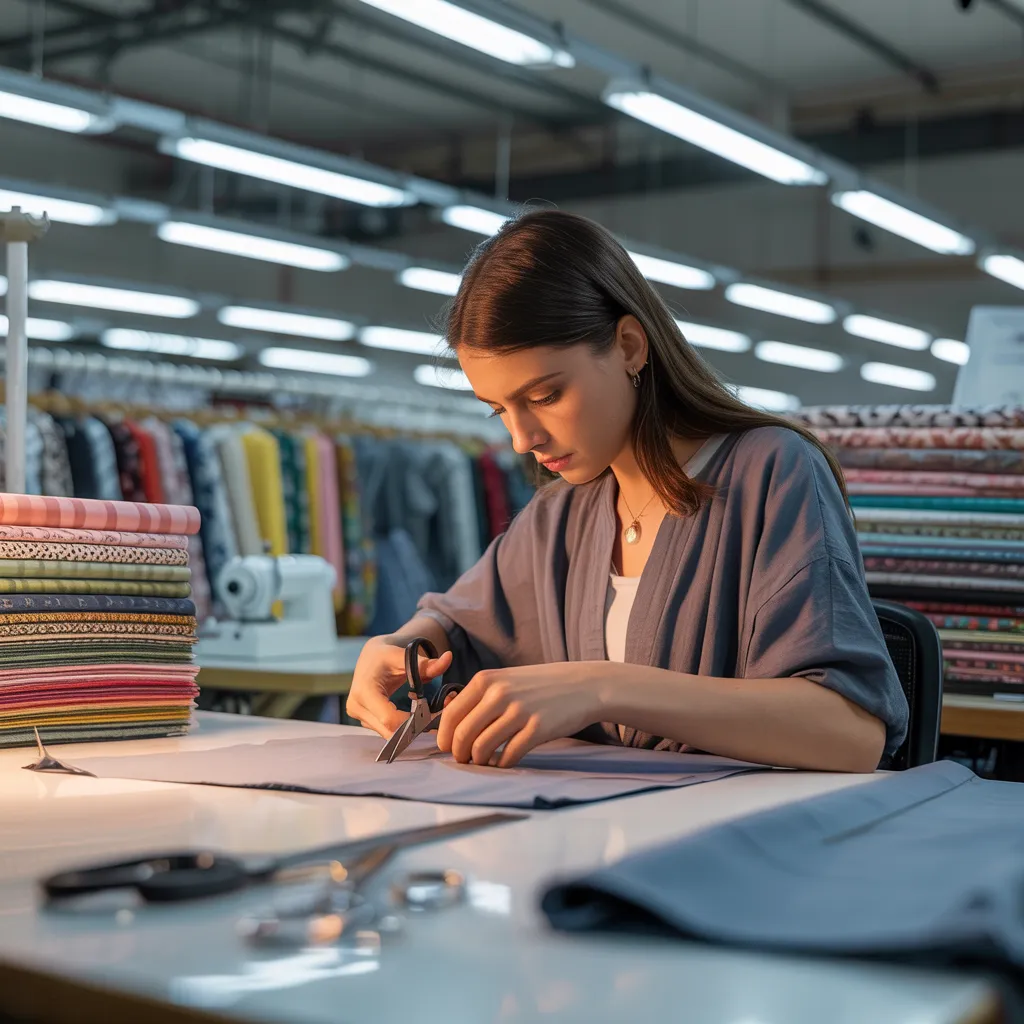
Key Tools That Every Sewist Needs
A properly stocked sewing kit forms the basis of every successful project. The right tools are crucial for maintaining efficiency and quality. Every kit centers around a dependable pair of fabric scissors, crafted to deliver precise cuts without fraying. Furthermore, a rotary cutter provides accuracy when working on detailed designs. Tools for measuring, including a tape measure and a transparent ruler, are essential for achieving precise dimensions and seam allowances.
Pins alongside a pincushion are essential for securing fabric in position, while a selection of needles addresses a wide range of fabrics. Multicolored thread allows for creativity and adaptability. A seam ripper, while frequently underestimated, is necessary for fixing errors. Lastly, an iron and ironing board are essential for creating precise seams and professional finishes. By gathering these fundamental tools, every sewist can embark on their crafting adventure with assurance.
Core Sewing Techniques for New Learners
Armed with the proper tools, beginners can confidently start on their sewing journey by learning fundamental techniques. Basic abilities including working with a needle, forming knots, and comprehending sewing machine mechanics are essential. Learning to sew a straight line is important, as it forms the foundation for more complex projects.
Beginners should also get familiar with various stitch varieties, like straight stitches and zigzag stitches, which serve various purposes. In addition, practicing proper fabric handling techniques, including pinning and pressing, boosts both accuracy and overall finish.
Mastering fabric cutting and pattern reading with precision is crucial for producing quality outcomes. Elementary practices like incorporating seam allowances alongside backstitching can greatly improve the quality of finished projects.
Sewing Ideas to Ignite Your Creativity
Exploring creative potential through sewing endeavors has the power to turn elementary abilities into meaningful art forms. Taking part in a range of sewing activities gives sewers the opportunity to unleash their creativity while perfecting their craft. Basic projects such as tote bags and pillow covers serve as excellent starting points, giving needlework enthusiasts the chance to try out various textiles and patterns.
For those seeking a challenge, custom clothing or patchwork quilts can ignite a deeper sense of creativity. These projects not only provide a sense of accomplishment but also invite personal touches, like one-of-a-kind color schemes and embellishments.
In addition, transforming outdated clothing into new pieces fosters originality and sustainable practices, turning sewing into both an artistic endeavor and a green initiative.
Through these diverse projects, people can uncover their personal tastes and develop their style, thus building a stronger respect for the sewing arts. Such endeavors can inspire further exploration and creativity in the sewing journey.
Advanced Sewing Skills to Enhance Your Craft
Enhancing your sewing abilities involves mastering mid-level methods that enhance both practicality and visual appeal. These skills empower sewists to produce garments and creations that embody a higher level of craftsmanship. An important approach is the utilization of pleats and darts, which can mold material to fit the body more skillfully. Additionally, learning to skillfully construct zippers and closures can turn straightforward designs into finished and polished works.
One other useful method involves working with bias tape binding, which provides clean, finished edges on various projects. Sewing enthusiasts may also try a variety of stitch styles, such as ornamental or zigzag stitch patterns, to incorporate distinctive touches. Developing the skill of accurate buttonhole making not only improves functionality but also elevates the visual appeal of a project. Through the application of these mid-level skills, those who sew can improve their craft, resulting in greater quality and aesthetically pleasing finished pieces.
Expert Techniques to Perfect in Sewing
Within the realm of sewing, developing advanced techniques is crucial for those seeking to elevate their abilities. Primary areas of emphasis include exact pattern cutting, refined stitching approaches, and innovative fabric manipulation strategies. These factors not only elevate the quality of the completed work but also extend a sewist's creative potential.
Accurate Pattern Cutting
Although many sewers focus primarily on fabric and stitching, perfecting precision pattern cutting is equally critical for creating professional-quality garments. This approach entails precisely measuring and cutting patterns to secure accuracy and consistency, which significantly affects the ultimate fit and presentation of the garment. Accurate pattern cutting demands not only proper tools, including sharp rotary cutters and rulers, but also a careful attention to detail. Sewers should develop an understanding of seam allowances and fabric grain, as these factors can considerably impact the final outcome. Through consistent practice of these techniques, sewers can enhance their craftsmanship, producing garments that are not only refined in appearance but also perfectly fitted. In the end, accuracy in pattern cutting establishes the groundwork for successful sewing endeavors.
Expert Stitching Methods
Perfecting sophisticated sewing methods transforms standard needlework tasks into exceptional pieces of craftsmanship. These techniques, including the use of a double needle for aligned seaming, improve the aesthetic quality and strength of sewn creations. Moreover, mastering techniques such as French seams and flat-felled seams refines the overall result, delivering a polished quality that is highly desirable. Incorporating artistic stitch patterns, like heirloom or zigzag patterns, can add unique flair to any project while serving functional purposes. Grasping the intricacies of tension adjustments and thread types further refines the sewing experience, empowering sewers to reach their goals with regularity. Upon incorporating these advanced techniques, needleworkers can widen their expertise, ultimately expanding their creative possibilities and elevating their sewing endeavors.
Textile Manipulation Strategies
Examining textile manipulation methods helps artisans to enhance their work through creative methods that enrich texture and shape. Techniques such as pleating, gathering, and tucking empower artisans to introduce dimension and complexity to their projects. Moreover, layering and draping techniques can produce intriguing silhouettes, while practices like smocking and quilting offer both visual interest and functional durability. Advanced sewers may also explore approaches like bias-cutting to modify how the fabric falls, or apply heat manipulation to produce unique finishes. By developing these strategies, individuals can considerably improve their sewing projects, enabling personal expression and artistic flair in every detail. Incorporating these techniques not only broadens technical skills but also inspires artistic growth in the sewing journey.
Staying Inspired: Tips for Your Sewing Journey
How can a sewist maintain motivation throughout their creative journey? Creative energy tends to rise and fall, making it essential to cultivate a nurturing environment. Connecting with other sewists through workshops linked article or online communities can spark new ideas and provide support. Moreover, defining attainable milestones can develop a sense of fulfillment and inspire sustained advancement.
Investigating diverse patterns and techniques can additionally keep passion for sewing vibrant, as working with diverse styles and materials may spark renewed interest. Periodically looking back at past projects can remind sewists of their growth and reignite their passion.
Additionally, maintaining a specific sewing area can create a dedicated zone for crafting, devoid of disruptions. Finally, pausing when appropriate is essential; distancing yourself can bring about renewed perspectives. By implementing these techniques, crafters can nurture their enthusiasm and relish a fulfilling and vibrant sewing experience.
Questions We Often Receive
How Can I Fix Common Sewing Machine Issues?
To address common sewing machine issues, it is important to check the threading, clean the bobbin area, swap out worn needles, correct tension settings, and confirm proper fabric feeding. Regular maintenance can prevent many problems from arising.
Which Fabric Types Are Ideal for Beginners?
Flannel, cotton, and muslin are perfect materials for novice sewers. Such materials are manageable, mistake-friendly, and easy to find. Their adaptability enables beginner sewers to explore different methods without facing daunting obstacles.
How Can I Select the Best Sewing Patterns?
Selecting the right sewing patterns entails evaluating skill level, project complexity, and personal style. Beginners should start with simple designs that include clear instructions, while seasoned sewing enthusiasts can explore more intricate patterns that challenge their abilities and creativity.
Can You Sew Without Using a Sewing Machine?
Indeed, one can sew by hand without a machine. Sewing by hand provides flexibility and precision, allowing for detailed and intricate work. Basic tools, such as thread and needles, make a wide range of projects possible, making sewing accessible for sewers of all skill levels.
What Are Some Eco-Friendly Sewing Practices?
Sustainable sewing methods involve utilizing organic materials, reusing existing fabrics, reducing waste with precise cutting techniques, opting for natural dyes, and choosing sustainable thread. These methods support environmental stewardship while fostering creativity and resourcefulness in fabric crafting initiatives.